
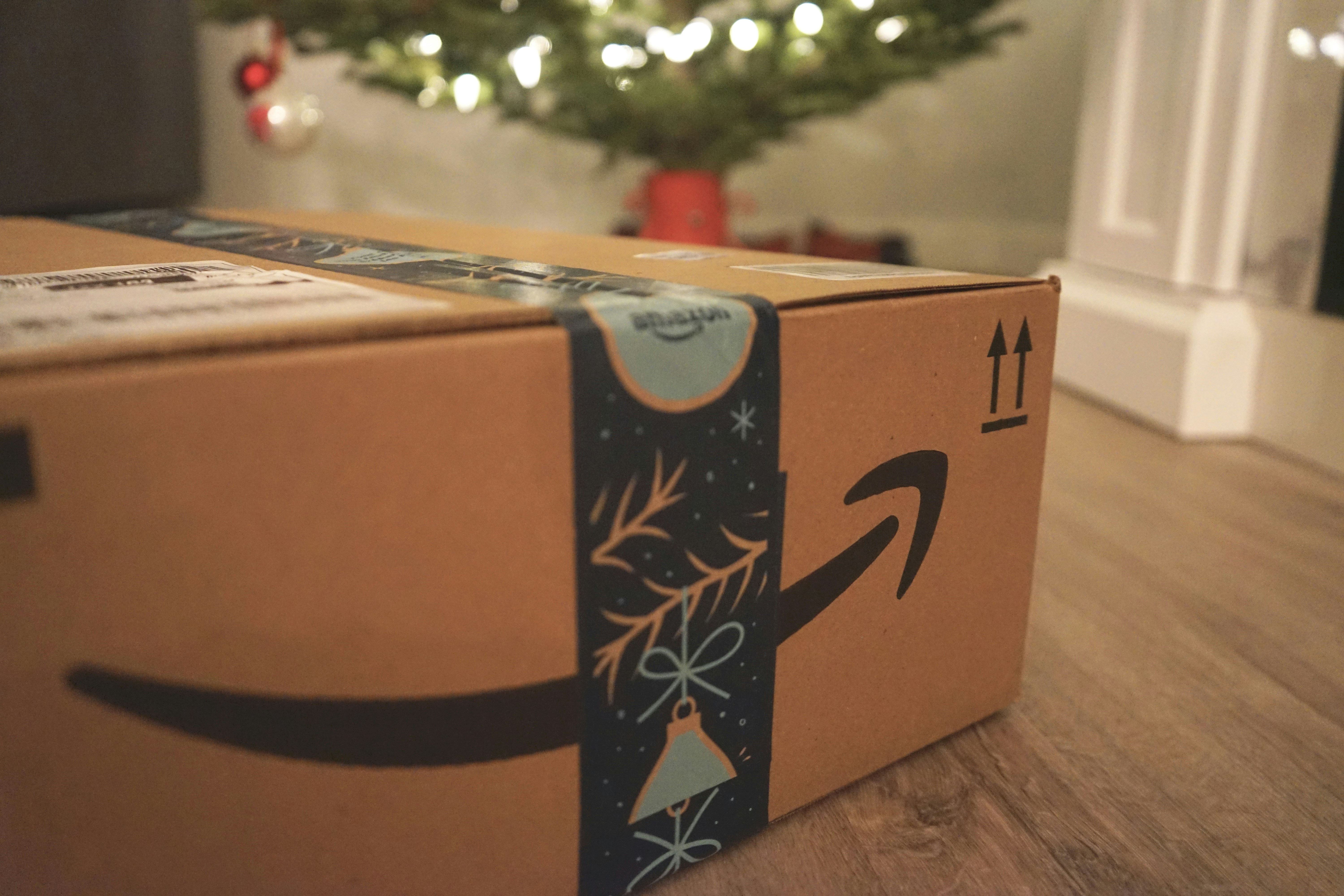
Introduction to Amazon Private Label
Amazon private label products refer to items that sellers create and brand under their own label, while utilizing Amazon’s vast logistics and fulfillment capabilities. This business model allows entrepreneurs to develop unique products while minimizing direct competition with other sellers. Essentially, a seller identifies a market opportunity, sources a product—either through manufacturing or wholesale—and then rebrands it to present a distinctive identity on the Amazon platform.
The process of private labeling on Amazon begins with product selection. Sellers typically conduct extensive market research to analyze consumer trends, demands, and gaps in the existing product offerings. By identifying niche markets or underperforming products, sellers can capitalize on opportunities that may yield higher profit margins. Once a product is decided upon, sellers liaise with manufacturers, often overseas, to produce their chosen item, ensuring it meets quality standards.
One of the key advantages of entering the Amazon private label space is the potential for brand loyalty and recognition. Unlike traditional retail arrangements, when sellers introduce private label products, they have control over branding elements such as packaging and marketing strategies. This fosters a unique relationship with customers, encouraging repeat purchases and brand references. Moreover, private labeling mitigates the risks associated with stocking pre-existing brands, thereby allowing for more significant profit margins as sellers set competitive pricing.
In addition to brand autonomy, utilizing Amazon’s platform offers logistical benefits. Sellers can take advantage of Amazon’s Fulfillment by Amazon (FBA) service, where Amazon handles storage, shipping, and customer service. This not only saves time and resources but also enhances visibility in searches, as FBA products often enjoy better rankings. By tapping into this comprehensive system, sellers can focus on growing their brand and expanding their product lines effectively.
Choosing the Right Product to Private Label
Selecting a product for private labeling can significantly influence your success on platforms like Amazon. A structured approach is essential, starting with thorough market research to identify trending items that also exhibit strong consumer demand. Utilize tools such as Google Trends, social media analytics, and Amazon’s Best Sellers List to gather insights into potential products that resonate with buyers.
Understanding consumer demand is crucial. By assessing search volume and reviewing customer reviews, you can gauge what features or attributes are most valued by potential customers. This understanding will guide you towards products that not only fulfill a need but also spark interest, thus enhancing the likelihood of successful sales. When analyzing consumer preferences, consider factors such as quality, pricing, and customer service, as these will play integral roles in your product’s reception.
Furthermore, it is vital to conduct a comprehensive competitor analysis. This involves investigating both direct competitors who are selling similar private label products and assessing their market positioning, pricing strategies, and customer feedback. Identifying gaps in the market can help you to create a unique value proposition that distinguishes your brand.
Additionally, selecting a niche aligned with your interests and expertise can enhance your motivation and effectiveness in promoting your private label product. When you are genuinely interested in the product you sell, it reflects in your marketing efforts, customer interactions, and overall brand story. To summarize, choosing the right product for private labeling entails a careful examination of market trends, consumer demands, and competitive landscapes, while ensuring alignment with your personal interests.
Sourcing Your Private Label Products
Sourcing products for private labeling is a crucial step in your Amazon business journey. Success begins with identifying reliable manufacturers who can meet your quality standards and production requirements. To initiate this process, consider exploring platforms such as Alibaba, ThomasNet, or Global Sources, which connect entrepreneurs with suppliers worldwide. These platforms allow you to evaluate multiple manufacturers, review their ratings, and assess their production capabilities.
Once you have compiled a list of potential suppliers, it is essential to reach out and establish communication. Crafting a professional inquiry is key; clearly outline your product specifications, order quantities, and any customization requirements you may have. This initial correspondence serves as an opportunity to gauge the manufacturer’s responsiveness and professionalism, both critical factors in choosing the right partner.
Negotiating prices is another vital aspect of sourcing private label products. Most manufacturers are open to negotiation, especially on bulk orders. Be prepared to discuss price points and ask about volume discounts. Understanding the manufacturer’s terms, including lead times, minimum order quantities (MOQs), and payment terms, is imperative to avoid misunderstandings later in the transaction process.
When sourcing products, it is also wise to consider the advantages and challenges of both domestic and international suppliers. Domestic manufacturers may offer higher quality and faster shipping times, but they often come with increased costs. Conversely, international suppliers, particularly those based in countries like China, can provide lower prices but may involve longer shipping times and potential communication barriers. Assess your specific needs and market dynamics to determine the best sourcing strategy for your business.
In your efforts to successfully source private label products, maintaining clear and open communication with suppliers can foster strong working relationships. Regular updates and feedback can lead to improved product quality and more effective partnerships, ultimately contributing to the growth of your private label business on Amazon.
Creating Your Brand Identity
In the Amazon private label market, establishing a robust brand identity is vital for distinguishing your products from competitors. A compelling brand identity communicates the essence of your offerings and fosters consumer trust. To begin, developing a unique brand name is essential; it should resonate with your target audience while evoking the quality and value of your products. The name serves as the cornerstone of your brand, so it must be memorable and reflect your product’s characteristics.
Following the selection of a brand name, the next step involves logo design, which acts as a visual identifier for your products. A well-designed logo should be simple yet impactful, ensuring that it is easily recognizable across different platforms. Incorporating colors and imagery that align with your brand’s identity can evoke the right emotions, enhancing customer recall. Additionally, consistency in logo usage across all marketing materials is crucial in reinforcing your brand’s image.
Packaging considerations also play a significant role in brand identity. The packaging needs to be functional while showcasing the brand’s personality. High-quality packaging can elevate the perceived value of your product and create a memorable unboxing experience for customers. Consider utilitarian aspects alongside aesthetic features when designing your packaging. Eco-friendly materials are increasingly favored by consumers, thus aligning your brand with sustainability could provide a competitive edge in the market.
Furthermore, a strong brand identity helps to differentiate your product in the crowded Amazon marketplace. It influences purchasing decisions, fosters customer loyalty, and enhances the potential for repeat business. By strategically crafting your brand identity through a thoughtful name, logo, and packaging, you can establish a lasting connection with your audience, ultimately driving your business success.
Setting Up Your Amazon Seller Account
Establishing your Amazon seller account is a crucial first step in your journey toward launching a successful private label business. To begin, navigate to the Amazon Seller Central website and begin the registration process. You will need to decide between two primary types of seller accounts: Individual and Professional. The Individual account is suitable for those who plan to sell fewer than 40 items each month and does not require a monthly subscription fee; however, there is a per-item fee. Conversely, the Professional account incurs a monthly fee but grants access to additional features and is ideal for those anticipating higher volume sales.
During the registration, you will provide essential information such as your business name, email address, and bank account details for disbursements. It is also advisable to have your tax identification information ready, as Amazon will require this for tax purposes. The registration process may include identity verification steps, such as uploading documents that validate your identity and business operations.
While registering, it is important to consider the associated fees. Aside from the monthly subscription for the Professional account, you will incur referral fees on each sale, which vary depending on the product category. These fees can significantly impact your profitability, so understanding them in advance is important. Additionally, Amazon may require you to provide a valid credit card in order to cover potential fees and expenses.
After your account is set up and verified, you will gain access to a host of tools and resources available through Amazon Seller Central. Familiarizing yourself with these tools will help streamline your selling operations and enhance your overall performance. As you embark on this venture, ensuring that your seller account is properly established is a foundational element that cannot be overlooked.
Optimizing Your Product Listing for Amazon Search
When embarking on your journey within Amazon’s expansive marketplace, optimizing your product listing is a critical step that can significantly enhance your visibility and drive sales. To achieve this, focus on several essential components: product titles, descriptions, keywords, bullet points, and high-quality images.
The product title serves as the first impression potential customers will have of your item. It is crucial to create a title that is not only informative but also engaging. Incorporate relevant keywords while ensuring that the title remains clear and easy to read. A well-crafted title should convey the core attributes of the product, such as its brand, model, size, and primary features.
Next, the product description should provide in-depth information about the item, highlighting its benefits and unique selling points. This is an opportunity to elaborate on the features mentioned in the title and bullet points. Keeping your language direct and persuasive can help pique the interest of potential buyers. It is also beneficial to include keywords naturally within the body of the description to further enhance searchability.
Bullet points are another vital aspect that can help streamline your information delivery. These should focus on key features and advantages of the product, making it easy for customers to skim and absorb the information quickly. Each point should be concise yet descriptive, reinforcing the primary selling points of your offering.
Finally, visual representation plays a crucial role in converting views into sales. High-quality images showcasing your product from multiple angles can create a positive impression, effectively engaging potential customers. Ensure that images are well-lit, high-resolution, and relevant to the product. Incorporating lifestyle images can also help customers visualize the product in real-life scenarios.
By meticulously integrating these elements—optimized product titles, comprehensive descriptions, succinct bullet points, and attractive images—you can significantly improve your product listing’s visibility on Amazon, ultimately leading to increased sales and customer satisfaction.
Pricing Strategies for Private Label Products
Pricing strategies play a crucial role in the success of private label products on Amazon. When developing a pricing strategy, sellers must first understand their cost structure. This includes production costs, shipping fees, Amazon seller fees, and any marketing expenses associated with the product. It is essential to account for all costs to ensure that the pricing not only covers expenses but also facilitates a sustainable profit margin.
In addition to understanding costs, conducting a competitive pricing analysis is vital. This involves researching similar products within the same category on Amazon to identify the price range. By evaluating competitors’ pricing strategies, sellers can position their private label products competitively, ensuring they are neither overpriced nor underpriced. Price positioning can significantly influence customer purchasing decisions and can potentially lead to higher sales volumes.
Another effective pricing strategy is perceived value pricing, which focuses on the customers’ perception of your product’s value rather than just the costs. By enhancing the product’s presentation, packaging, and marketing efforts, sellers can justify a higher price point. This strategy indicates that the product is of a higher quality, which can attract a particular segment of consumers willing to pay more for what they perceive as superior items.
Lastly, adjusting your pricing strategy based on sales performance is essential. Regularly evaluating sales data allows sellers to determine whether their prices are competitive and aligned with market demand. If a product is underperforming, it might be prudent to lower the price or run promotional campaigns to stimulate sales. Conversely, if a product consistently sells well, it may be an opportunity to raise prices gradually to maximize profit margins.
Marketing and Promoting Your Private Label Products
Successfully marketing and promoting your private label products on Amazon requires a strategic approach that combines various methods to reach potential customers effectively. First and foremost, leveraging social media platforms is pivotal. These platforms allow you to build a brand presence and engage directly with your target audience. Utilizing visually appealing content, such as images and videos of your products, can significantly enhance engagement and encourage shares, which can subsequently increase your product visibility on Amazon.
In addition to organic social media efforts, consider investing in Amazon Sponsored Ads. This advertising service can help you gain visibility within the Amazon ecosystem. By targeting relevant keywords that align with your product’s niche, Sponsored Ads can place your listings directly in front of shoppers who are searching for similar items. It’s essential to monitor the performance of these ads continually, optimizing them based on click-through rates and conversion metrics to ensure the most effective ad spend.
Collaborating with influencers can also greatly enhance your marketing strategy. Influencers already have an established audience that trusts their recommendations. Partnering with influencers whose brand aligns with your product can drive authentic traffic to your Amazon listings. Consider providing them with free samples in exchange for honest reviews or promotional posts to expand your reach.
Additionally, email marketing remains a formidable tool. If you have an existing customer database, impactfully designing email campaigns that inform customers about your new products can help boost sales. Providing exclusive discounts or promotional offers through these emails will encourage prior customers to return to your store on Amazon.
Overall, integrating these strategies can create a robust marketing plan that not only promotes your private label products effectively but also builds a lasting brand presence in the competitive marketplace of Amazon.
Scaling Your Amazon Private Label Business
As you explore opportunities for expansion within your Amazon private label business, there are numerous strategies that can be effective in optimizing growth. One of the primary tactics is to expand your product lines. This involves researching and identifying products that align with your existing offerings and customer demand. By carefully selecting complementary products, you can leverage your existing customer base and brand reputation to increase sales and enhance profitability.
Next, optimizing your operations is crucial for scaling effectively. This includes streamlining processes such as inventory management, order fulfillment, and customer service. Implementing inventory management software can help you track stock levels in real-time, reducing the risk of overstocking or stockouts. Moreover, automating customer service through chatbots or streamlined response systems can enhance customer satisfaction while freeing up valuable time for you to focus on other areas of growth.
Exploring international markets can also provide significant opportunities for growth. Consider researching regions where there is a demand for your products but limited competition. Expanding to additional Amazon marketplaces, such as Amazon Europe or Amazon Canada, can open doors to new customers. However, it is essential to comply with local regulations and adapt your marketing strategies to cater to different cultural preferences and consumer behaviors.
Lastly, adopting long-term growth techniques is vital for sustainable success. Establish key performance indicators (KPIs) that can help measure your progress toward scaling. Regularly evaluate your marketing strategies, pricing models, and customer feedback to identify areas for improvement. Also, investing in brand loyalty through quality customer engagement can translate into repeat business and referrals, which are instrumental for sustained growth.